
Chọn vùng rao vặt
Mr. Tấn 0903 167 037
Mr. Đoàn 0974 576 624
 »
Rao vặt
»
Tuyển sinh - đào tạo
»
Rao vặt
»
Tuyển sinh - đào tạo
Dental X-rays are an essential tool in modern dentistry, helping to identify and diagnose various oral health issues. They provide dentists with a detailed view of the teeth, bones, and surrounding tissues, enabling accurate diagnosis and effective treatment plans. In this article, we will discuss the three primary types of dental X-rays: bitewing, periapical, and panoramic X-rays, along with their purposes, advantages, and when they are typically used.
Bitewing X-rays are designed to show the upper and lower teeth in one area of the mouth. These X-rays are taken with the patient biting down on a small piece of film or sensor, which captures the image.
The primary purpose of bitewing X-rays is to detect cavities between teeth and to monitor the health of the bone surrounding the teeth. They are particularly useful for identifying early signs of tooth decay that may not be visible during a routine dental examination.
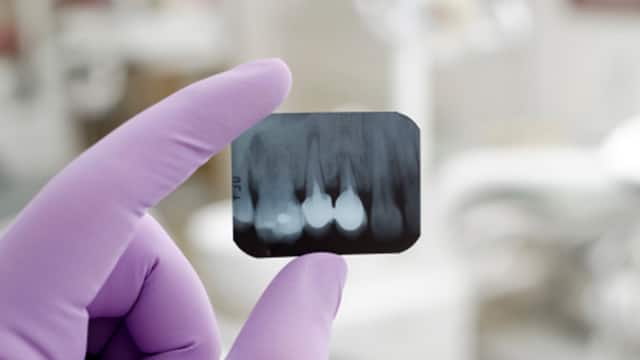
Bitewing X-rays are typically used:
>>> See more: https://dentalinvietnam.com/dental-x-ray-in-ho-chi-minh/
Periapical X-rays capture the entire tooth, from the crown (the visible part of the tooth) to the root, including the surrounding bone structure. They are usually taken one tooth at a time.
These X-rays are particularly useful for assessing the health of a tooth's root and the surrounding bone. They can identify issues such as infections, abscesses, or bone loss.
Periapical X-rays are typically used:
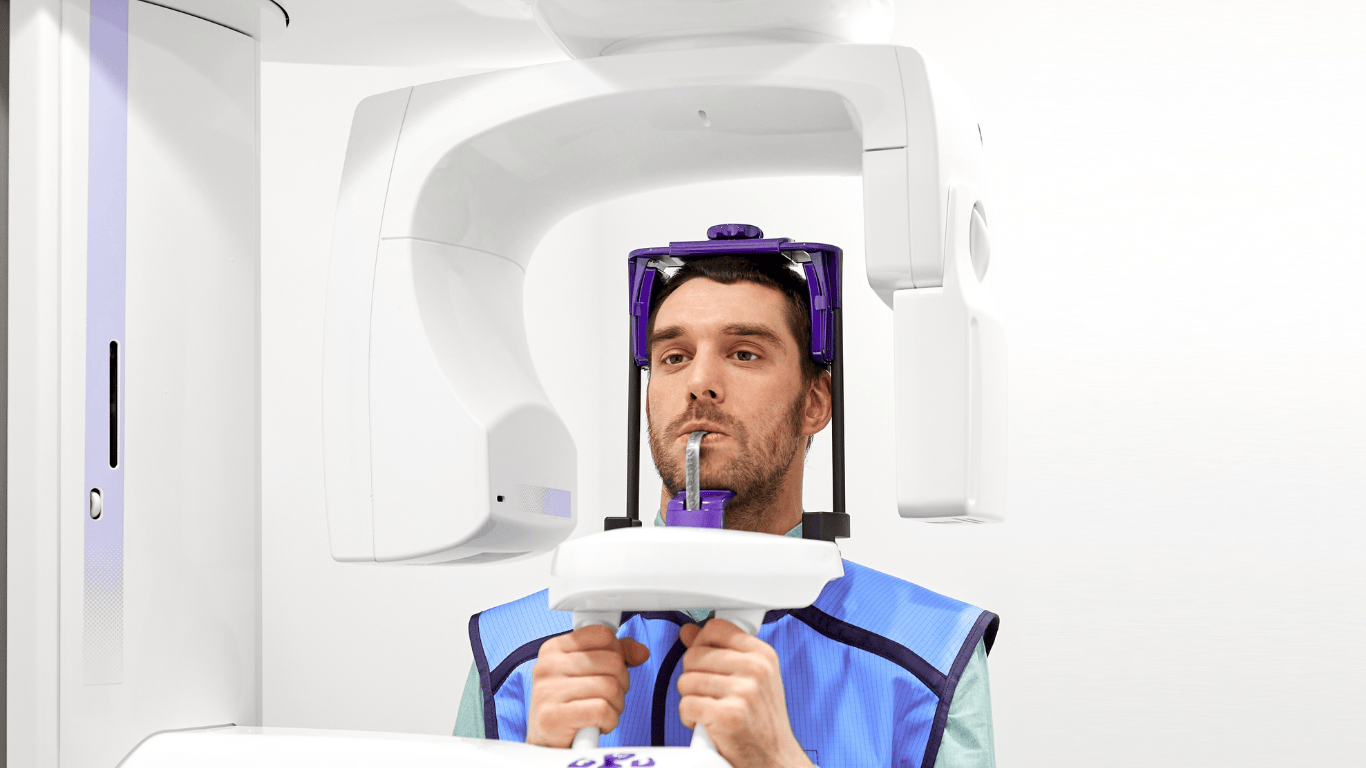
Panoramic X-rays provide a wide-view image of the entire mouth in one single film, including all the teeth, jawbones, sinus areas, and surrounding structures. They are taken with a special machine that rotates around the patient's head.
Panoramic X-rays are used to get a comprehensive overview of the dental structures, making them ideal for assessing a patient’s overall oral health. They can help identify issues that may not be visible in localized X-rays.
Panoramic X-rays are typically used:
Dental X-rays are an invaluable part of the diagnostic process in dentistry, helping to identify and treat a wide range of oral health issues. The three main types of dental X-rays—bitewing, periapical, and panoramic—serve different purposes but are all essential for comprehensive dental care.
Understanding these types of X-rays can help patients make informed decisions about their dental health and the treatments they may require. Regular dental check-ups, accompanied by the appropriate use of X-rays, play a crucial role in maintaining optimal oral health. Always consult with your dentist about the best options for your specific situation to ensure a healthy and beautiful smile for years to come.